
- News
- India News
- They still lead marginalized lives
Trending
This story is from July 5, 2016
They still lead marginalized lives
In November 2015, Kerala became the first state in the country to announce a policy for transgender people. But that has not made the life of this marginalized community any better.
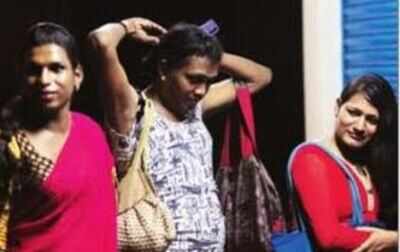
In November 2015, Kerala became the first state in the country to announce a policy for transgender people. But that has not made the life of this marginalized community any better.
KOCHI: In November 2015, Kerala became the first state in the country to announce a policy for transgender people. But that has not made the life of this marginalized community any better.
Many people belonging to the transgender community in the state are finding it difficult to find a livelihood and accept sex work to raise fund to undergo sex reassignment surgery (SRS) to align their biological sex with their gender identity. This is in blatant violation of the 2014 Supreme Court order which had directed the state to provide free medical facilities for gender transition surgery, including both pre and post operation services and counselling in public hospitals. TOI had on Saturday exposed the plight of many transgender people in Kochi who were forced to sell their bodies so that they could garner funds to undergo gender transition surgery.
State minister for health and social justice K K Shylaja told TOI that the state government would take the steps to implement the Supreme Court judgment on transgender people in letter and spirit. "Transgender people should be given all the legal protection they are entitled to. Efforts will be taken to rehabilitate them at the earliest," she said.
Incidentally, Kerala governor P Sathasivam had announced in his opening address to the newly constituted assembly on June 24 that a welfare programme would be implemented for transgender people. Even the LDF manifesto had promised to implement a transgender policy, which would provide a special status for transgender people in the field of health, education and employment. "Had there been a facility by the government, I would never have taken up sex work," said Thripthy, who underwent the surgery in a Bengaluru hospital three years ago. There are over 25,000 transgender people in the state, of which majority hail from poor and lower middle-class families.
THE SC JUDGEMENT
In September 2012 the National Legal Services Authority (NLAS) filed a petition in the SC seeking several directives, including: Granting of equal rights and protection to transgender people; inclusion of a third category in recording one's sexgender in identity documents like the election card, passport, driving license and ration card; and for admission in educational institutions, hospitals, amongst others. The NLSA had filed an intervention, on behalf of Laxmi Narayan Tripathy, a hijra/transgender activist, seeking recognition of self-identified gender of persons, either as male/female/third gender, based on their choice.
The judgment recognized the right of a person to identify in the gender that they relate to, irrespective of medical surgical intervention. The Court also protected one's gender expression by invoking the freedom of speech and expression under Article 19(1) (a) and held that “no restriction can be placed on one's personal appearance or choice of dressing, subject to the restrictions contained in Article 19(2) of the Constitution“.
The judgment also secured the right to equality and equal protection for transgender persons under Articles 14, 15 and 16 by prohibiting the discrimination on the ground of gender identity.
The court also issued a series of directives to the central and the state governments, which included granting of legal recognition to persons' self-identified gender, as male female/third gender; treating transgender persons as socially and educationally backward classes.
Many people belonging to the transgender community in the state are finding it difficult to find a livelihood and accept sex work to raise fund to undergo sex reassignment surgery (SRS) to align their biological sex with their gender identity.
State minister for health and social justice K K Shylaja told TOI that the state government would take the steps to implement the Supreme Court judgment on transgender people in letter and spirit. "Transgender people should be given all the legal protection they are entitled to. Efforts will be taken to rehabilitate them at the earliest," she said.
Incidentally, Kerala governor P Sathasivam had announced in his opening address to the newly constituted assembly on June 24 that a welfare programme would be implemented for transgender people. Even the LDF manifesto had promised to implement a transgender policy, which would provide a special status for transgender people in the field of health, education and employment. "Had there been a facility by the government, I would never have taken up sex work," said Thripthy, who underwent the surgery in a Bengaluru hospital three years ago. There are over 25,000 transgender people in the state, of which majority hail from poor and lower middle-class families.
The state policy for transgender people in Kerala states that 54% of the transgender have a monthly income of less than Rs 5,000 and only 11.6% have regular jobs.Around 91% have not changed their physical appearance.
THE SC JUDGEMENT
In September 2012 the National Legal Services Authority (NLAS) filed a petition in the SC seeking several directives, including: Granting of equal rights and protection to transgender people; inclusion of a third category in recording one's sexgender in identity documents like the election card, passport, driving license and ration card; and for admission in educational institutions, hospitals, amongst others. The NLSA had filed an intervention, on behalf of Laxmi Narayan Tripathy, a hijra/transgender activist, seeking recognition of self-identified gender of persons, either as male/female/third gender, based on their choice.
The judgment recognized the right of a person to identify in the gender that they relate to, irrespective of medical surgical intervention. The Court also protected one's gender expression by invoking the freedom of speech and expression under Article 19(1) (a) and held that “no restriction can be placed on one's personal appearance or choice of dressing, subject to the restrictions contained in Article 19(2) of the Constitution“.
The judgment also secured the right to equality and equal protection for transgender persons under Articles 14, 15 and 16 by prohibiting the discrimination on the ground of gender identity.
The court also issued a series of directives to the central and the state governments, which included granting of legal recognition to persons' self-identified gender, as male female/third gender; treating transgender persons as socially and educationally backward classes.

About the Author
Shyam P VEnd of Article
FOLLOW US ON SOCIAL MEDIA




Hot Picks
TOP TRENDING
Trending Stories
In India
Entire Website
- The Secret Behind NFL Marriages: How These Couples Make It Work
- UPI transaction limit to change from September 16! Here are the new limits for various UPI payments
- When Laura Loomer said she's single because she's too focused on Donald Trump
- South Delhi shooting: Sleuths see killing as a message to big businessmen
- Top 10 sports stars turned power couples: From Agassi-Graf to Conner-Comaneci
- 3 Zodiac Signs Most Likely to Become Multimillionaires
- Narayana Murthy faces backlash for parenting remarks on social media; users say, "after working 72 hours a week, there’s barely time left to have babies…”
- 'Would not fit in ... ': Princess Diana's brother warned Prince Harry about marrying Meghan Markle
- The 3 Strongest Zodiac Signs: Powerhouses of the Zodiac Wheel
- Dark Side Of Each Zodiac Sign
- Trump safe after gunshots nearby, FBI calls incident 'apparent assassination attempt'
- Trump shooting incident: 'Shooter was only 400-500m away' - Key details
- Will turning Trump into a joke help Kamala win the White House?
- Process for census initiated, 'open' on caste count: Govt
- Kejriwal says he will quit as CM in 2 days, wants aam aadmi's 'honesty certificate'
- How Sachin Tendulkar mastered the upper cut shot to perfection
- Why cow vigilantes killing a Brahmin is the wake-up call India needed
- Wipro to employees: Attend office at least 3 days-a-week or risk losing…
- Trump's 'mass deportation' threat evokes images of WW2 internment camps
- No look shot gone wrong! Pakistan batter hilariously trolled after dismissal. Watch

Popular Categories
Hot on the Web
Top Trends
Trending Topics
World Largest HorseEID WishesEID 2024 WishesPriyanka Chopra TattooKottukkaali OTT ReleaseEngineers Day WishesGoat CollectionHair LossSudha MurtyMalayalam ProducersIndia's Best Dancer 4Simi GarewalDilli BabuIndian National ParksLaung BenefitsVikas SethiApple iPhone 16Donald TrumpAadhar Card UpdateWordle Answer
Living and entertainment
Latest News
Challenges won’t stop me from making films that matter: Aditya KripalaniThe Diets of NFL Athletes: What Fuels Their Performance3 Reasons Why Hell in a Cell Tag Team Match Between Cody Rhodes, Roman Reigns and The Bloodline 2.0 Would Be perfect for Bad Blood 2024Odisha to join Ayushman plan; Delhi, Bengal to be only holdoutsRobert's wild encounter with Henry, the world's oldest 124-year old crocodile; internet shocked | Watch videoHooda says Congress coming to power in Haryana, asks criminals to give up crime or leave state‘I Hate Taylor Swift!’: Donald Trump rages after singer endorses Kamala Harris'Virat bhaiya's passion and dedication for the game is...': Sarfaraz KhanFather-son duo Eugene and Dan Levy's dazzling entrance at the EmmysFather rapes and murders 8-year-old daughter in Madhya Pradesh, throws body in wellBakuchiol: Nature’s answer to youthful skin radianceSaudi Arabia footballer Fahad Al-Muwallad hospitalized after fall from balcony'Will hug my kids extra tight tonight': JD Vance after Trump 'assassination attempt'Bengal govt blames junior docs for logjam but sends fresh offer for talksLodi-era mosque collapses in AgraVineet Kumar Singh calls Superboys of Malegaon standing ovation at TIFF a 'magical experience': 'I can still hear the clapping and whistling" - ExclusiveFoods to pair with dates for boosting immunityNeeraj Chopra misses second Diamond League title by an agonising 1 cm; finishes second behind Anderson
Copyright © 2024 Bennett, Coleman & Co. Ltd. All rights reserved. For reprint rights: Times Syndication Service